
Images courtesy of John Ford
The different habitats at Leadburn support a good variety of butterflies, some of which are locally scarce. As far as we know, there are no formal transects carried out at Leadburn, though local enthusiasts visit regularly. The following records summarise our own random sightings, feel free to contribute more!
Peacocks appear first in March, joined by small tortoiseshells and red admirals in April.
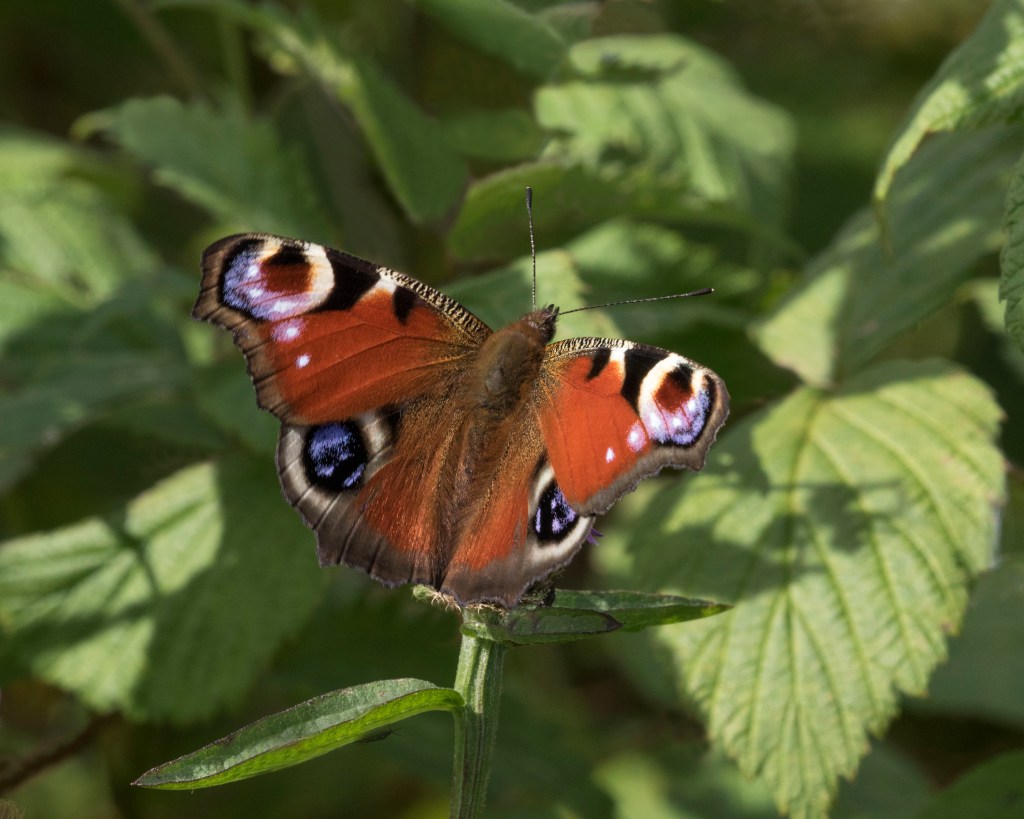
Green-veined whites peak in May and orangetips appear then too.

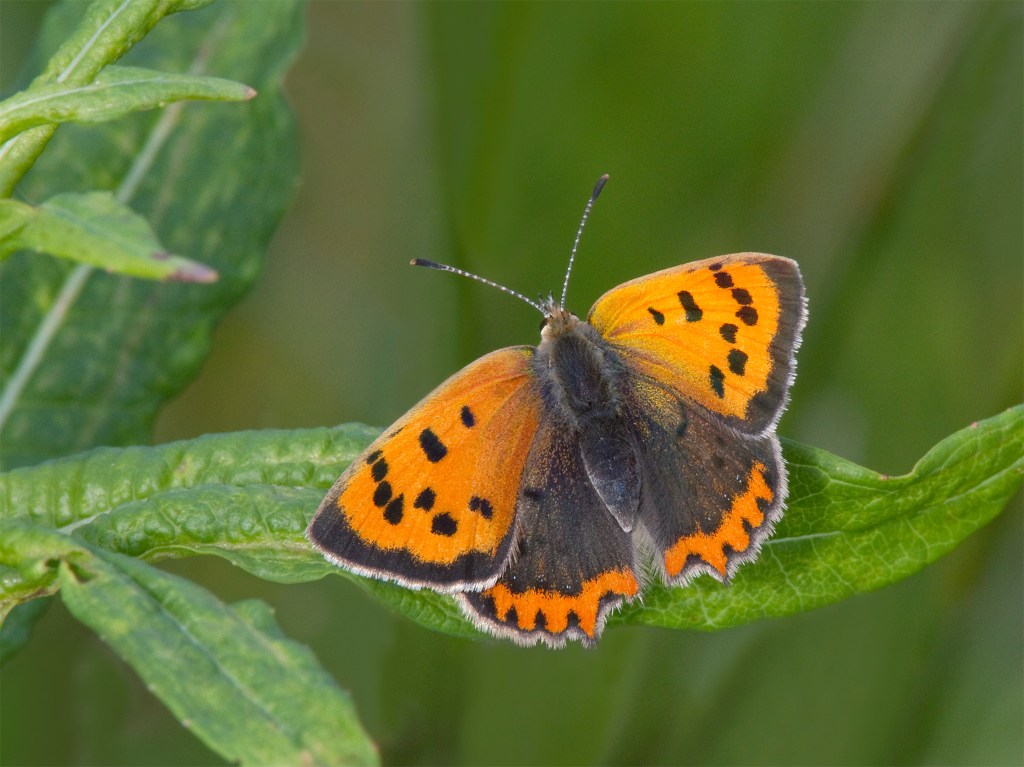
Most of these records are concentrated in the short vegetation along our tracks, where small coppers are also seen.
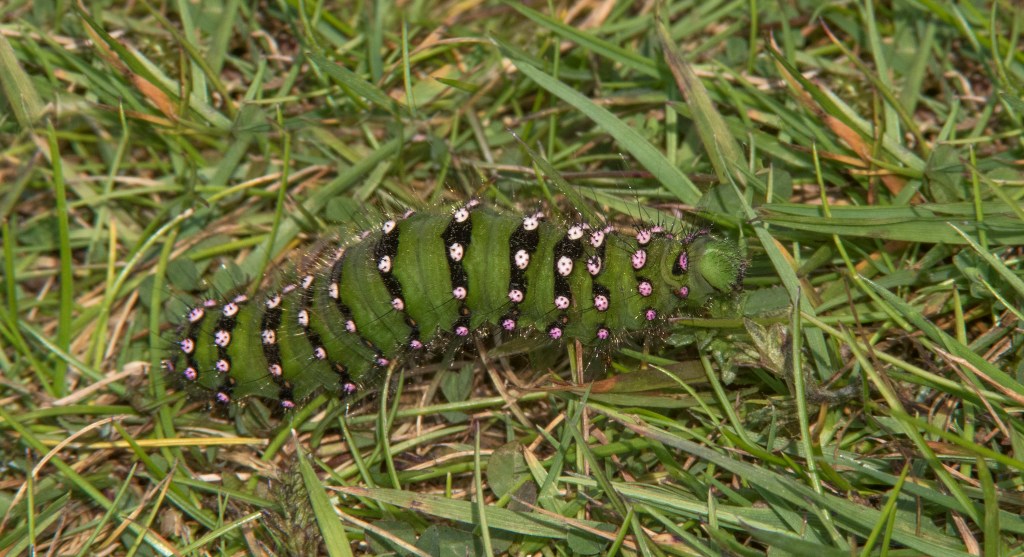
Emperor moths appear in the heather in May.
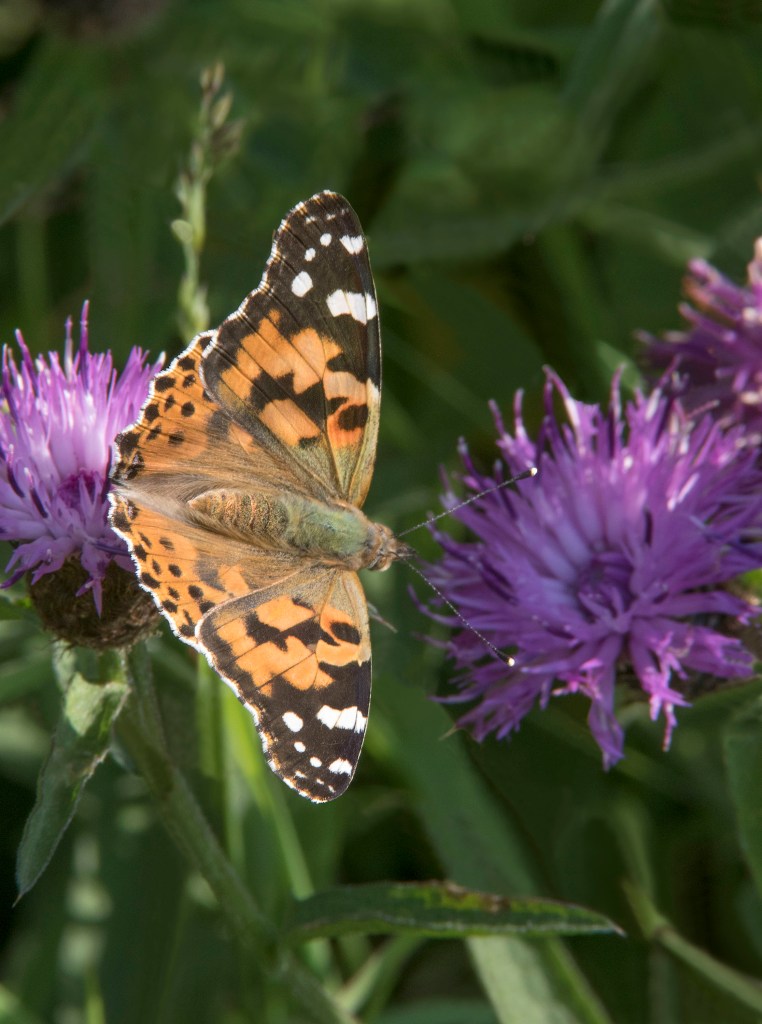
Migrant painted ladies appear then too, sometimes in large numbers such as in 2019.
Small heath and cinnabar moths are next in June, when day counts of small pearl-bordered fritillaries can get into double figures on the grassier open areas.
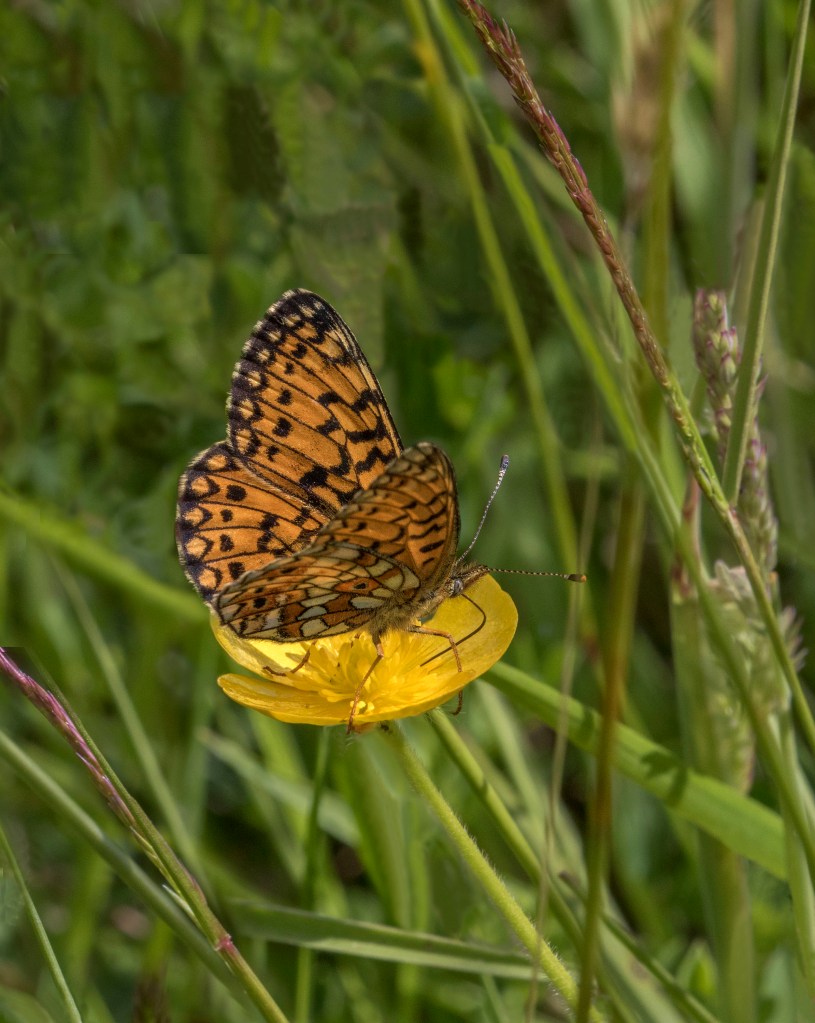
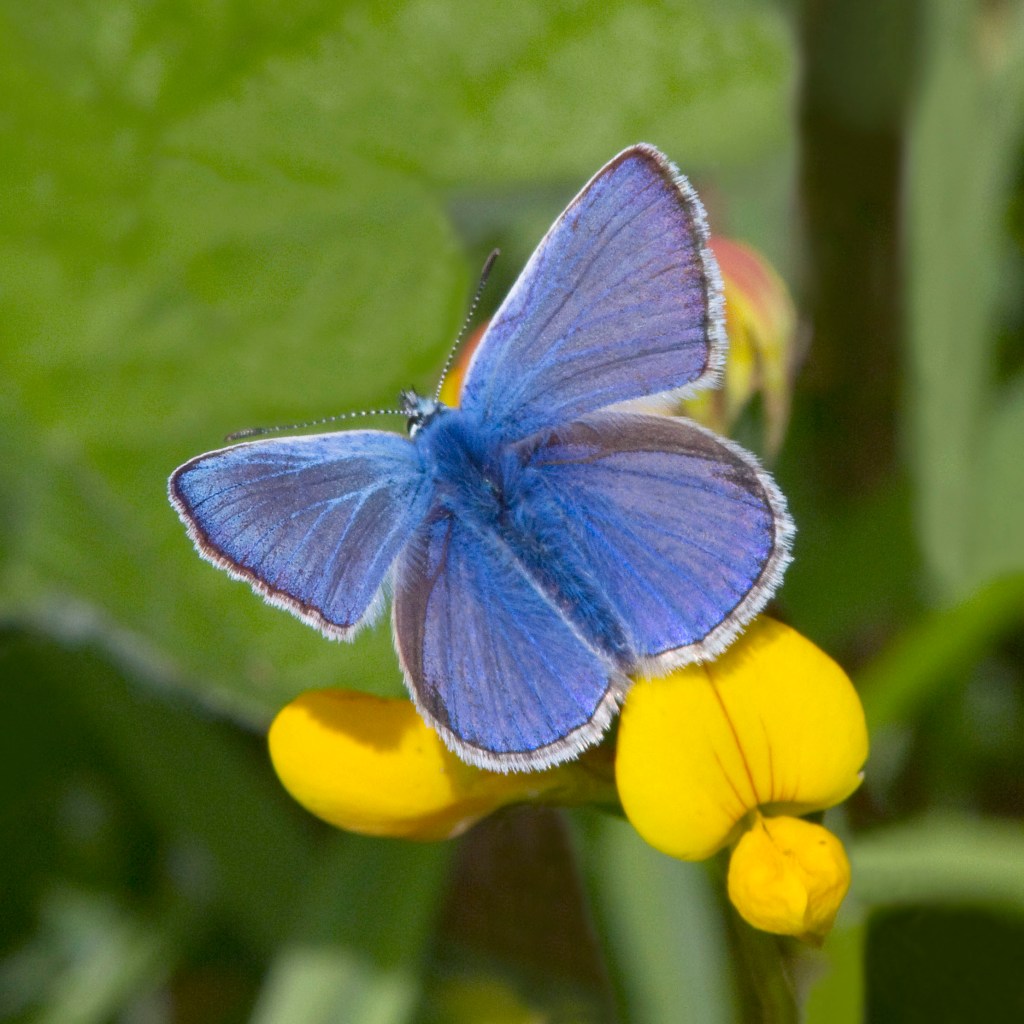
A localised population of large heaths appears on a long established area of wet heath from mid June, common blues in small numbers too along the track verges.
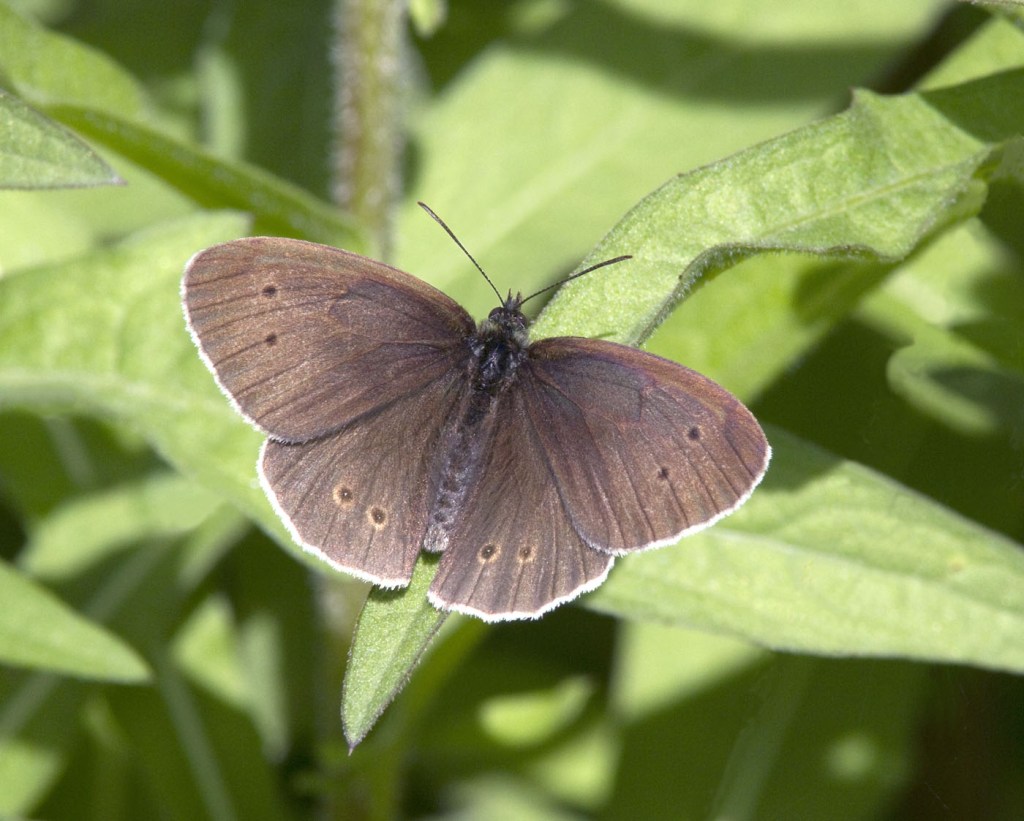
Ringlets become by far the commonest butterfly for several weeks from July, throughout the verges and grassland.
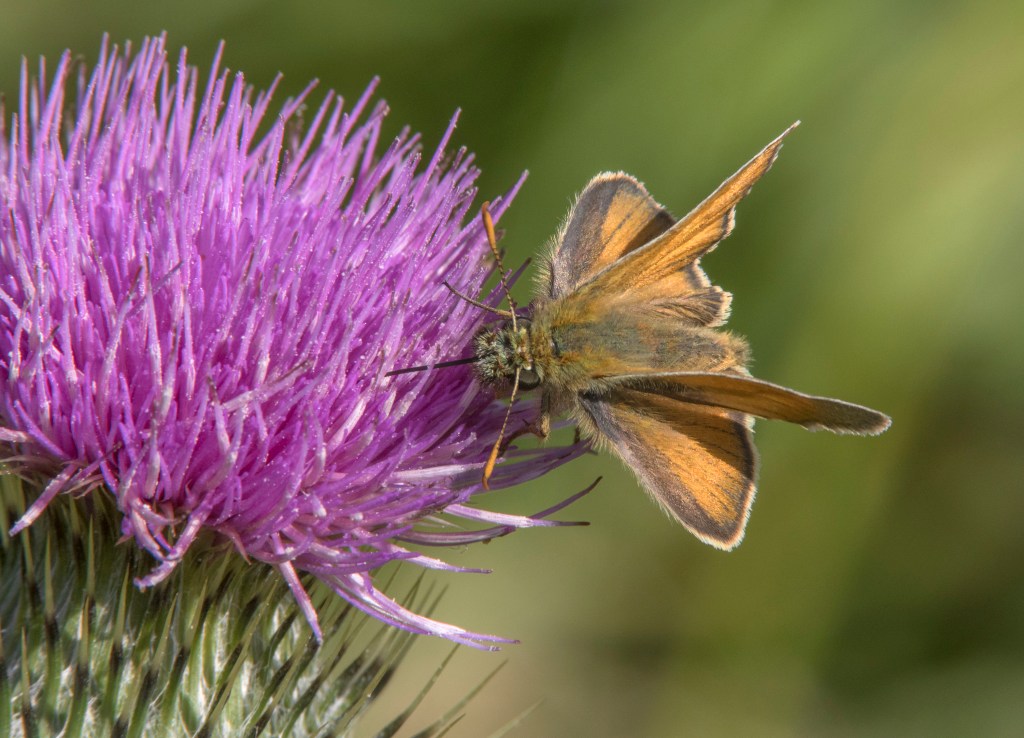
A few meadow browns are seen in the second half of July, joined occasionally and more regularly in recent years by small skippers.
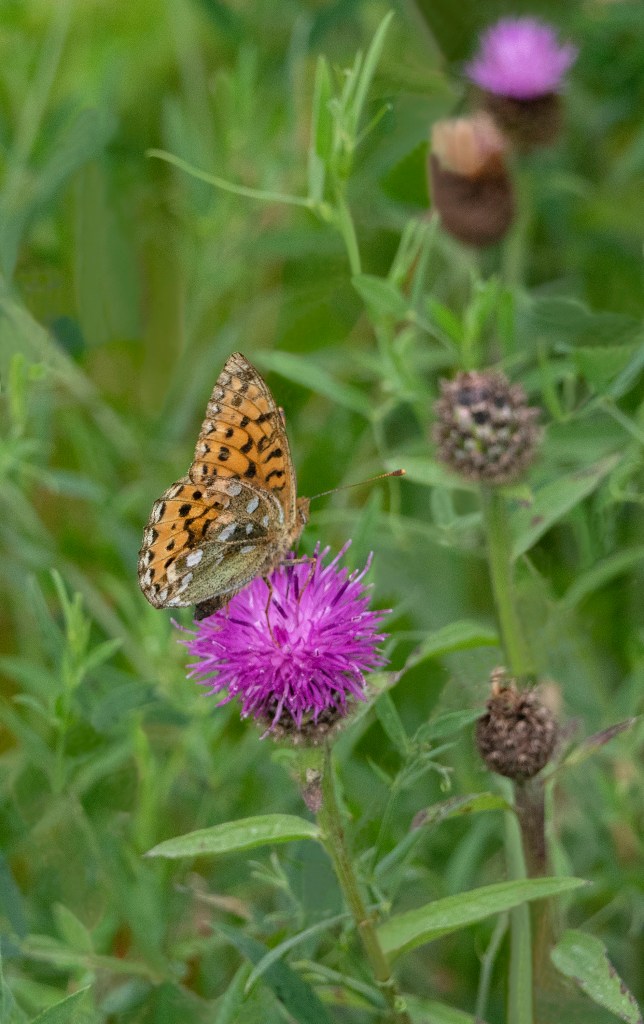
Dark green fritillaries are occasionally seen along the track verges.
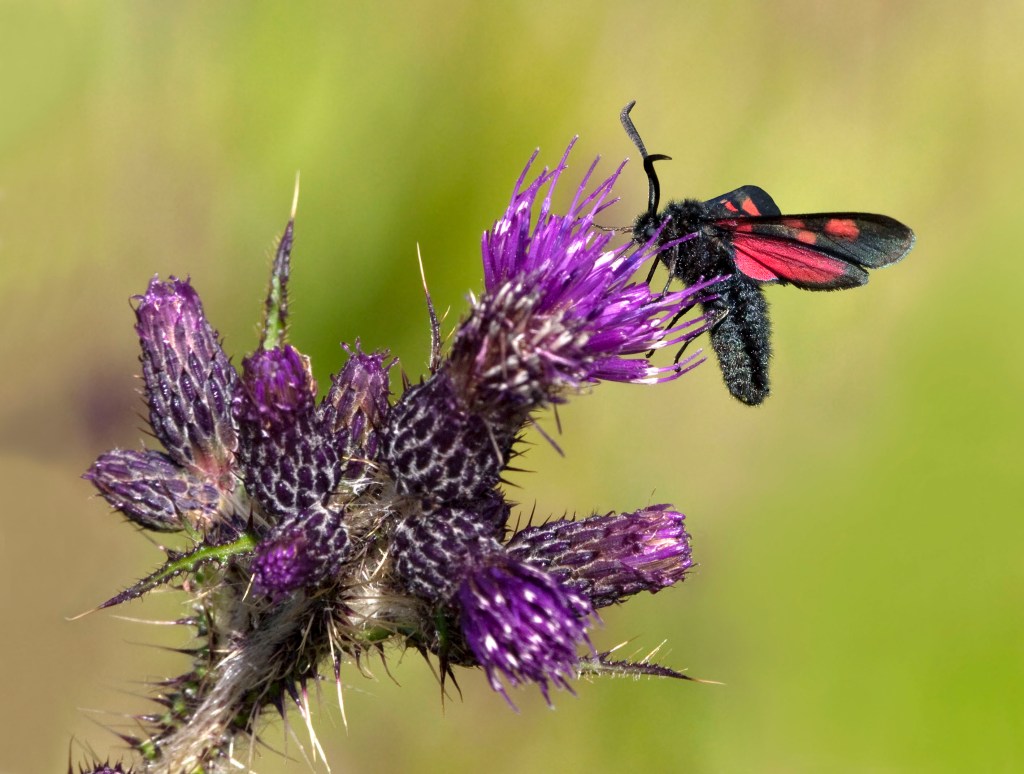
Day flying moths are abundant at times in summer. Of the burnet moths, the most frequent are narrow-bordered five-spot burnets. These are mostly seen near the lay-by and the pupae can be found near the top of grass stems prior to emergence at the beginning of July. Six-spot burnets appear a little later and in smaller numbers.
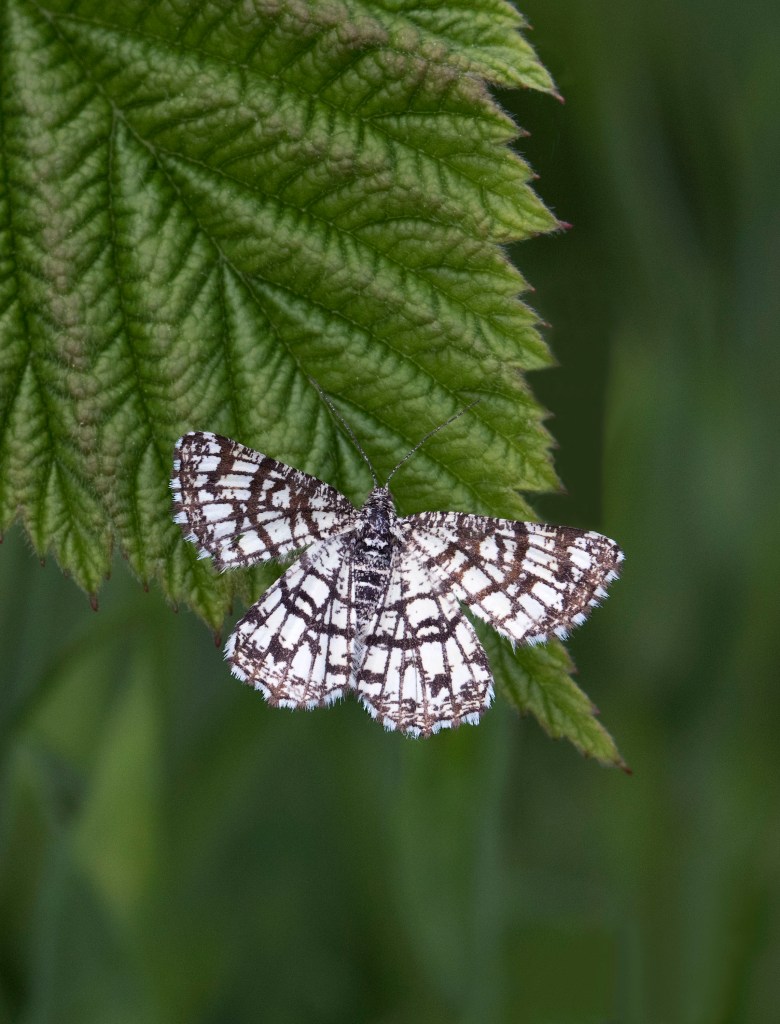
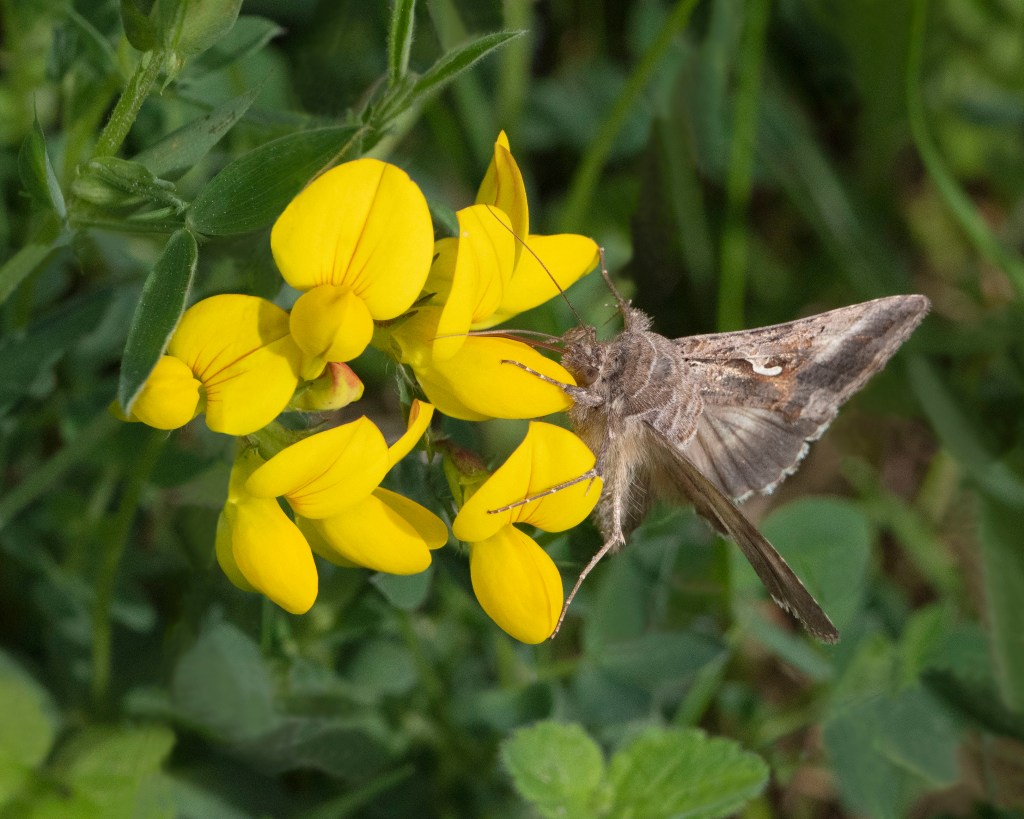
Other common macro moths include silver Ys, lattice heaths, silver-ground carpets and cinnabars, but the caterpillars of the latter are seen more often than the adult moths. Ten other macro moths have been seen during daytime.
Moth traps were used on three occasions in 2015/6 to sample nocturnal life. These recorded over 60 species of macro moths and several micro moths. Species included yellow horneds, mottled greys and Hebrew characters in April, heralds, peach blossoms, elephant hawk-moths and pale prominents in June, and ear moths in September.
 LeadburnWood