Images courtesy of John Ford
Leadburn Community Woodland has gradually transformed from a relatively high (280 m altitude) flat and barren clearfell in 2001 to a mosaic of young habitats given a helping hand by planting, bog damming and creation of pools. The emerging habitats include:-
Young native woodland now often well-emerged from plastic planting tubes and competing with forestry conifer and birch regeneration. Most of this young woodland remains very open. Different tree species grow better depending on whether they have been planted on heather dominated peats (downy birch, rowan), grassier ridges (sessile oak), wetter ground (alder and willow species), or richer soils along our former railway lines (shrubbier trees and juniper). Scots pine has been planted throughout in small groups.
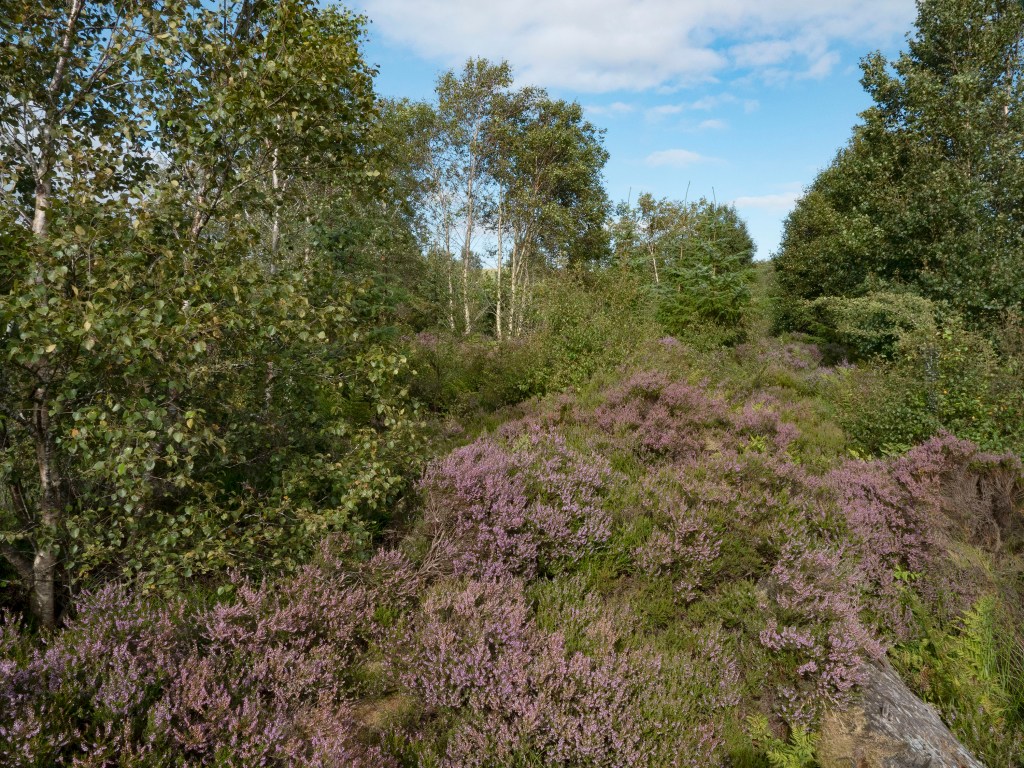
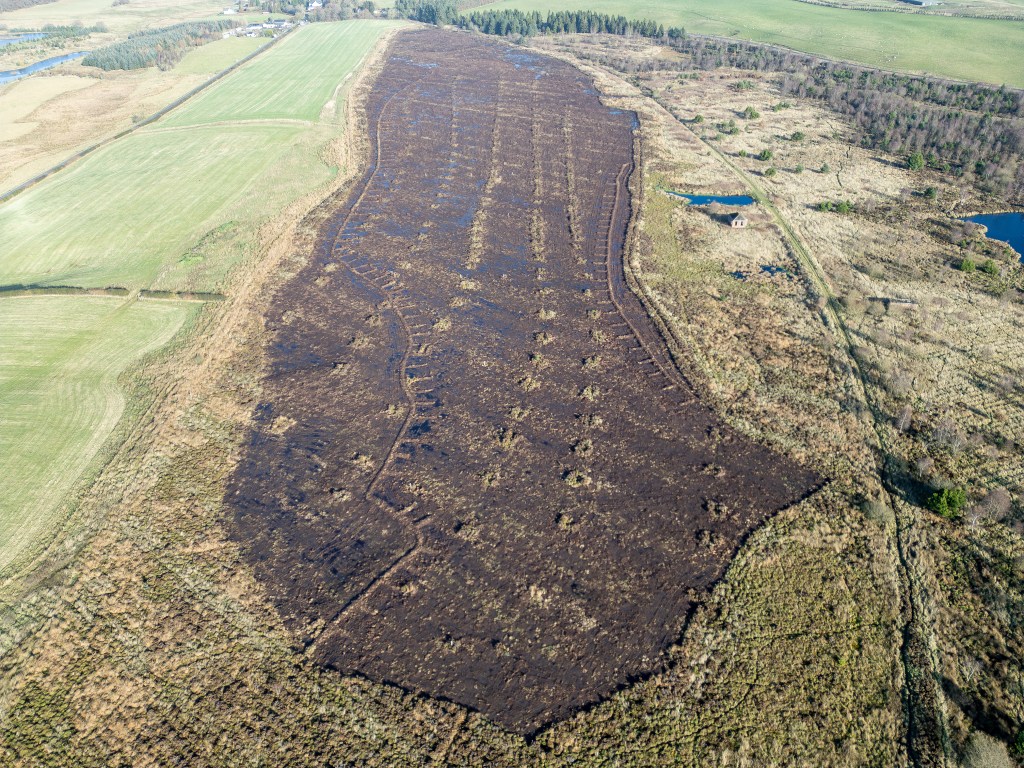
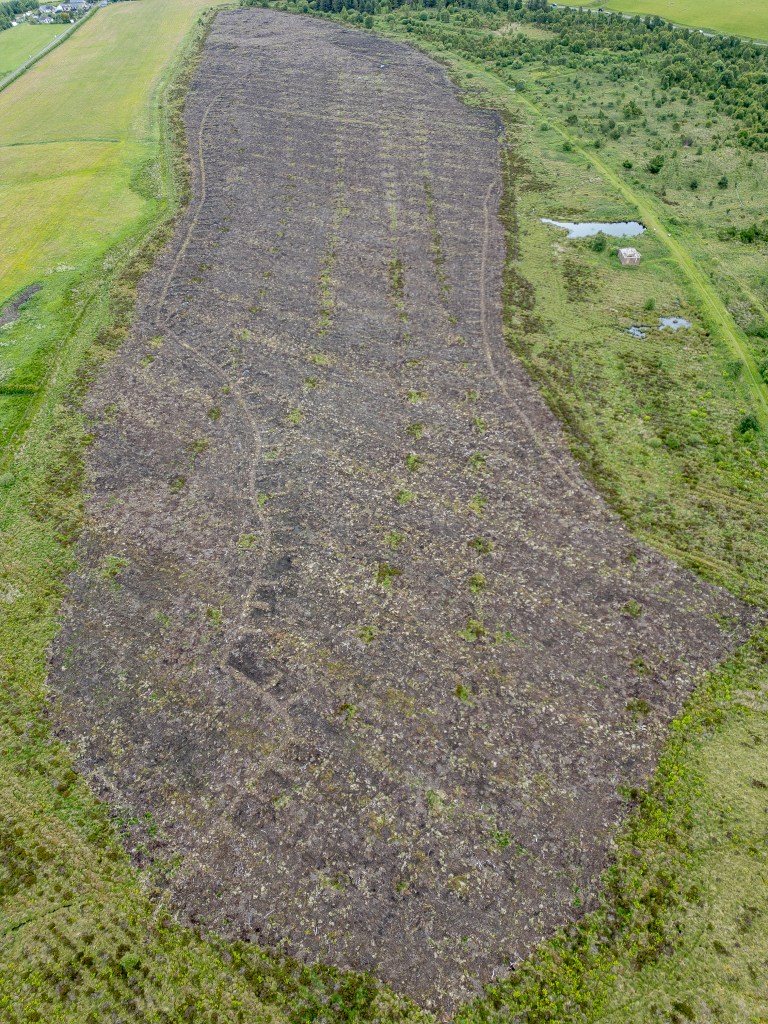
Leadburn Moss a 17 ha area of raised heath on the north and west side of the tracks where plastic dams were installed in 2009 to reduce drainage and runoff, and therefore increase bogginess. The former forestry ridges and furrow system were flattened and ditches blocked (2024) to re-wet and recreate the former raised bog. Areas around the plastic dams act as habitat refuges.
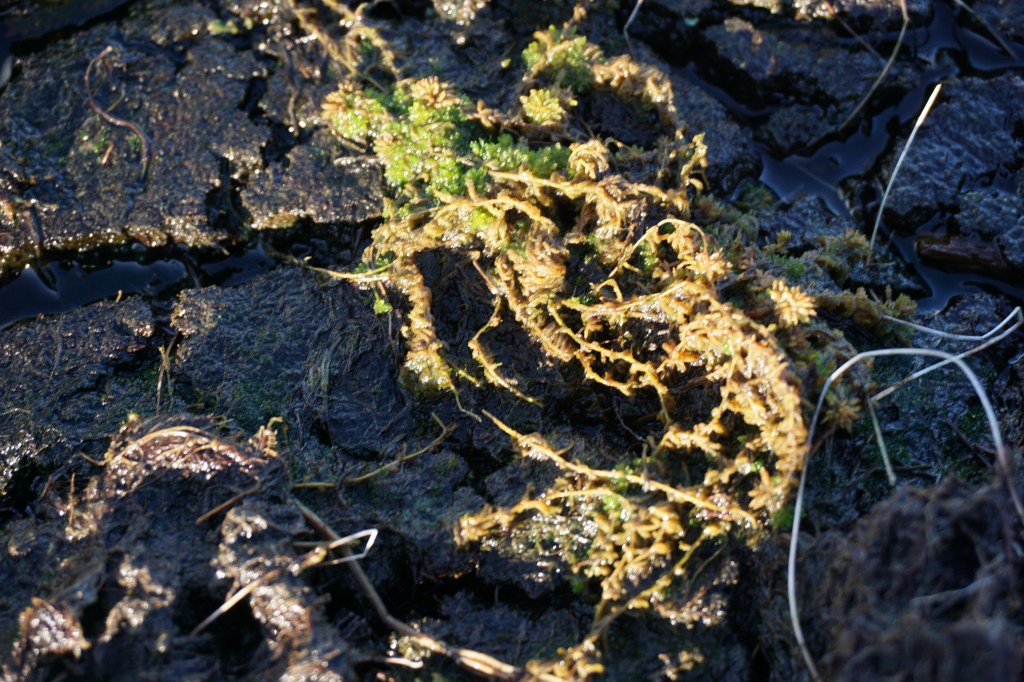
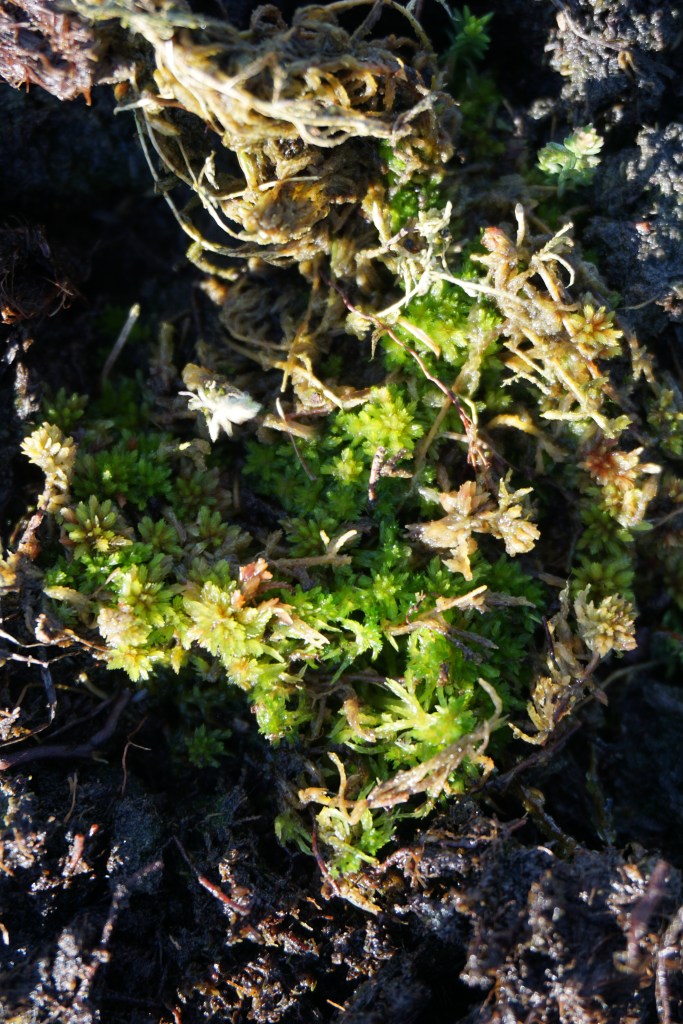
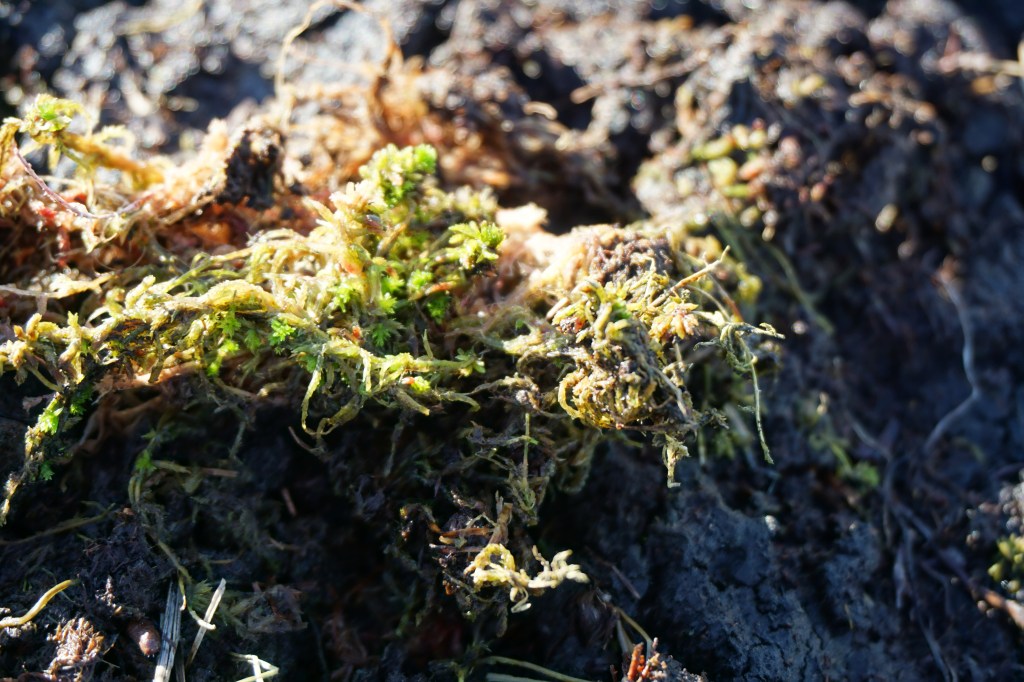
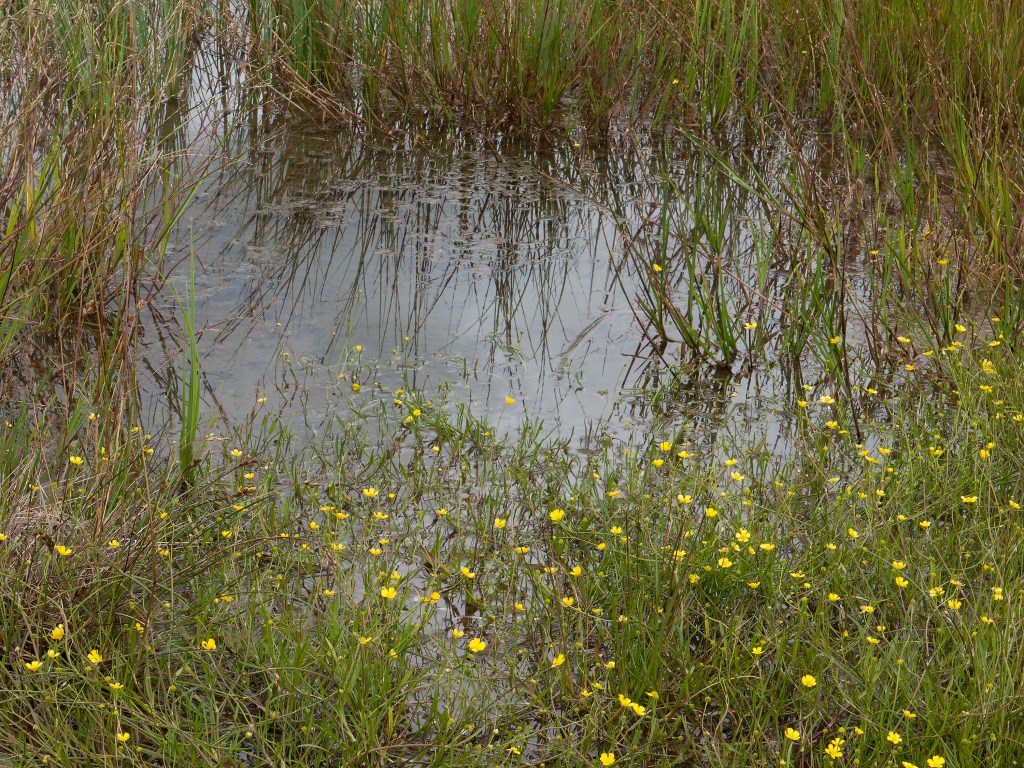
Several large peaty pools created in 2011, up to 1 m deep, with rush, sedge and floating vegetation edges.
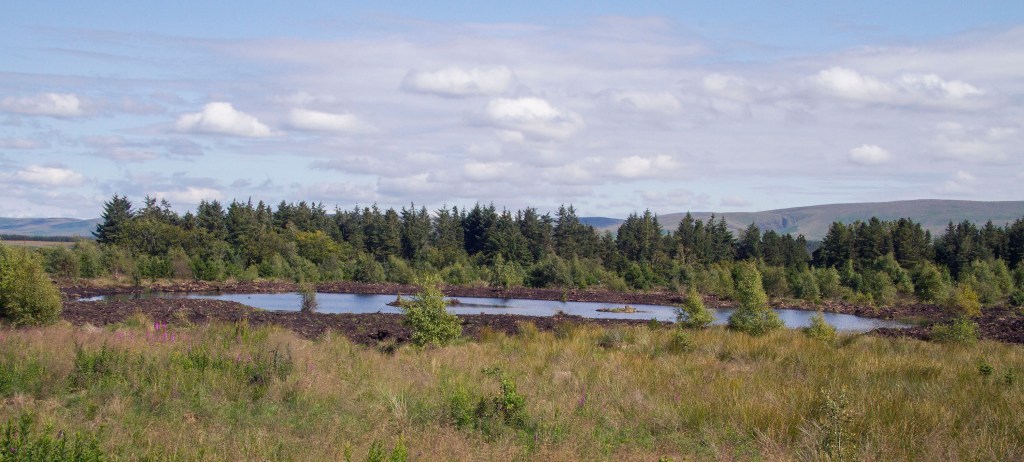
Wetter fen areas dominated by rushes, sedges and moss, mostly left open or with a few planted alders.
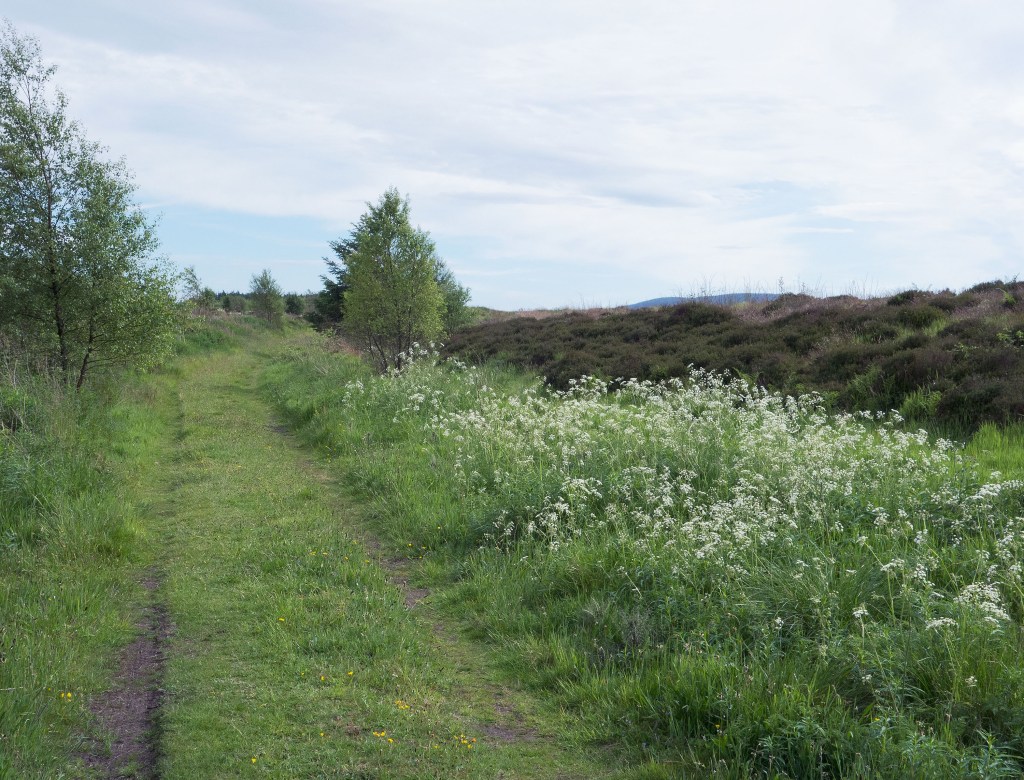
Two former railway lines, open and elevated in some places, cutting through shallow banks elsewhere. These provide a non-peaty clinker-based soil supporting short flower-rich vegetation often edged with banks of rosebay willowherb and raspberry beds, lined in places with shallow vegetated ditches.
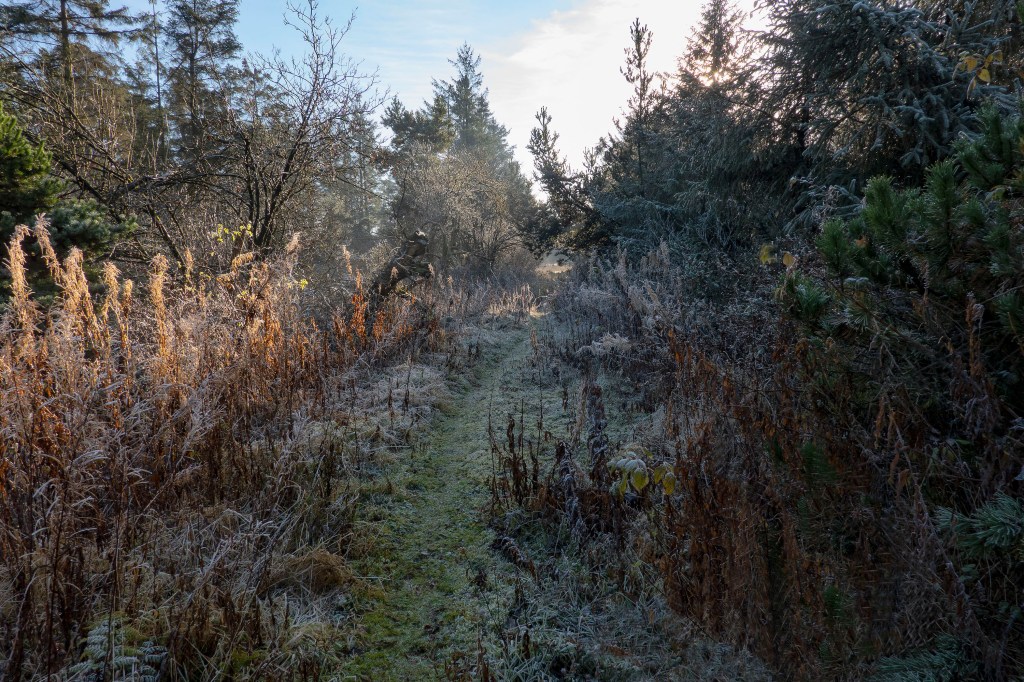
Several remaining forestry stands of mature sitka spruce and lodgepole pine, varying from original planting in rows on ridges, to areas opened with glades and other areas naturally wind-toppled and left tangled and wild.
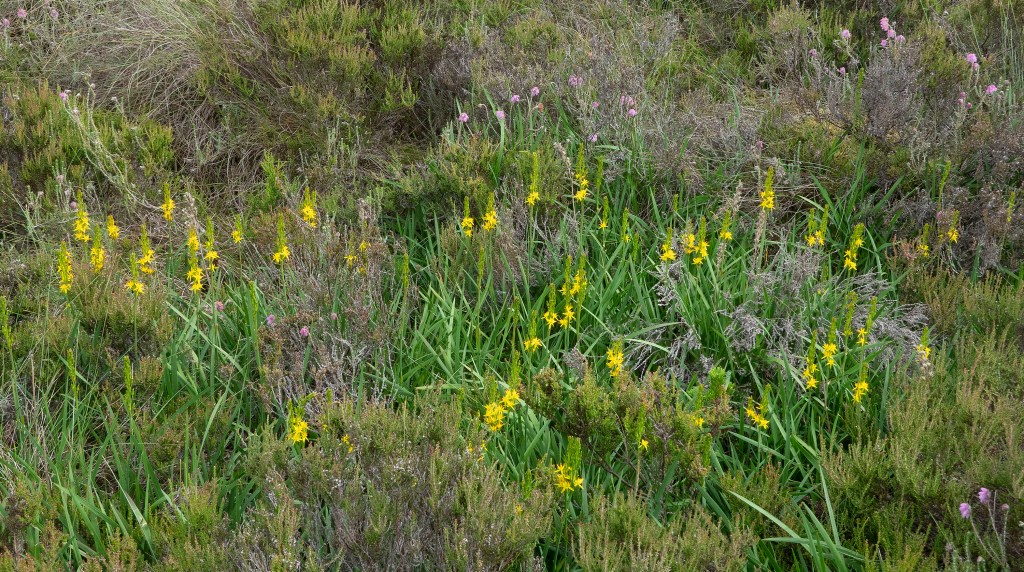
A new 5 ha clearfell cut in early 2020, the former forestry ridges and furrows flattened and ditches blocked to re-wet and recreate the former raised bog. A small area of bog alongside remained free of the original forestry planting, and together with neighbouring areas of wet heath covered in bog asphodel, has started to show recovery of bog plants in 2022.
 LeadburnWood